Best Private Banks for HNWIs in 2026: 16 Strong Banks Reviewed
The best private banks for HNWIs in 2026, chosen on capital, credit ratings and regulatory record: 16 banks in Switzerland, Singapore, the US and the UK reviewed with the latest data.
Where you bank matters just as much as how you bank. This category explores alternative banking hubs around the world, helping you evaluate jurisdictions based on access, regulatory environment, and cross-border flexibility. From established financial centers to emerging offshore locations, these insights are designed to help you identify where your banking structure should be anchored globally. If you are comparing jurisdictions, review our banking jurisdiction advisory.
The best private banks for HNWIs in 2026, chosen on capital, credit ratings and regulatory record: 16 banks in Switzerland, Singapore, the US and the UK reviewed with the latest data.
Compare EMI wallets, online banks, digital-asset banks and traditional offshore/private banks by speed, custody, compliance and bankability in 2026.
Compare the best non-resident bank accounts in 2026 by approval reality, minimums, CRS exposure and remote onboarding, including accessible Swiss options.
Opening a US bank account as a non-resident entrepreneur is harder today than it was three years ago. Unfortunately, most advice online has not caught up with this reality. To bridge that gap, this guide covers 21 specific institutions in depth. We review chartered banks, fintech platforms, and Electronic Money Institutions (EMIs). Most importantly, we
From Seychelles’ historic EU grey list removal to US crypto legislation and the collapse of IRS enforcement, the global financial architecture has been fundamentally redrawn. Here is the definitive briefing. 1. The Double-Green Jurisdictional Shift: Seychelles & Cayman Redefine Tier-1 Status The offshore financial world has long operated on a spectrum of compliance credibility —
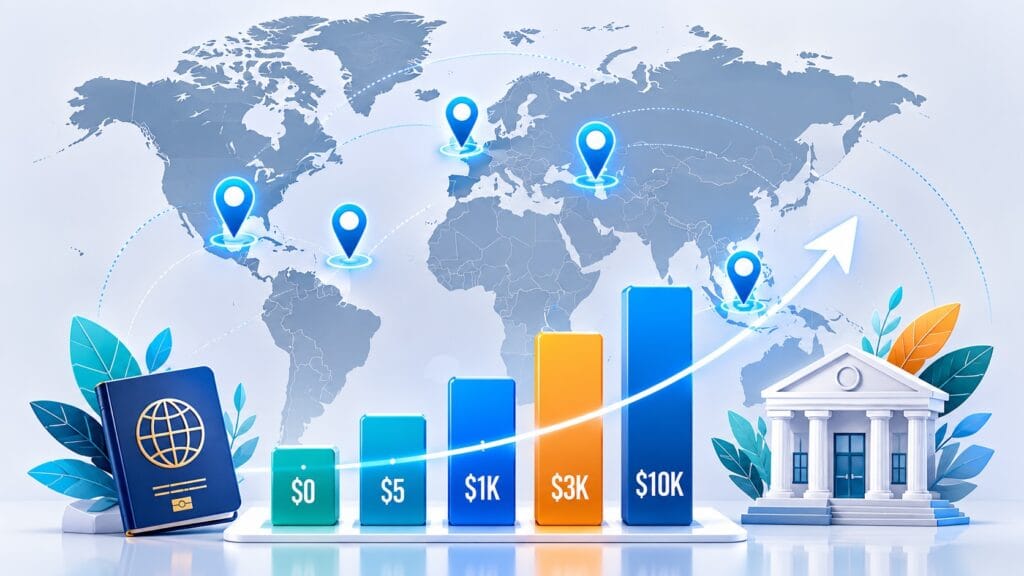
Opening an offshore bank account used to require $1,000,000 and a flight to Zurich. That era is gone. In 2026, individuals can open legitimate offshore accounts starting from as little as $5 — and in several jurisdictions, with zero minimum deposit at all. But not every low-entry account is worth your time. Some charge hidden
Most guides to e-gaming startup banking in 2026 are written by consultants who make their money placing you with a specific bank. This one isn’t. What follows is the fee reality: the actual transaction costs, onboarding timelines, and license-to-banking compatibility data that most articles bury or omit entirely — because publishing it would mean admitting
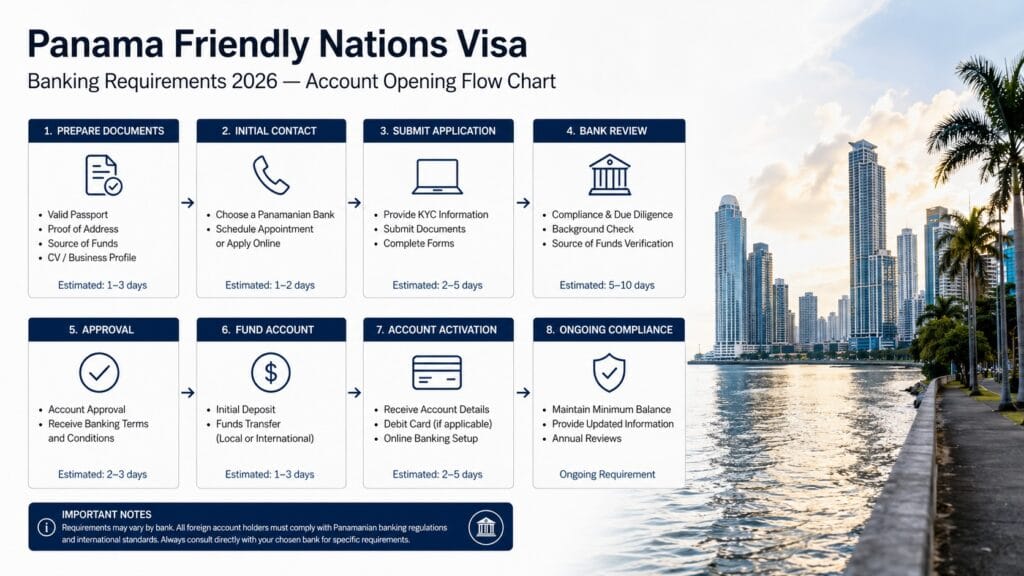
Panama’s Friendly Nations Visa banking situation changed fundamentally in August 2021, and almost nobody has updated their guidance to reflect it. The old playbook — incorporate a shell company, drop in $5,000, open a bank account, collect your cedula — is gone. The new process is staged, compliance-heavy, and far more nuanced. If you approach
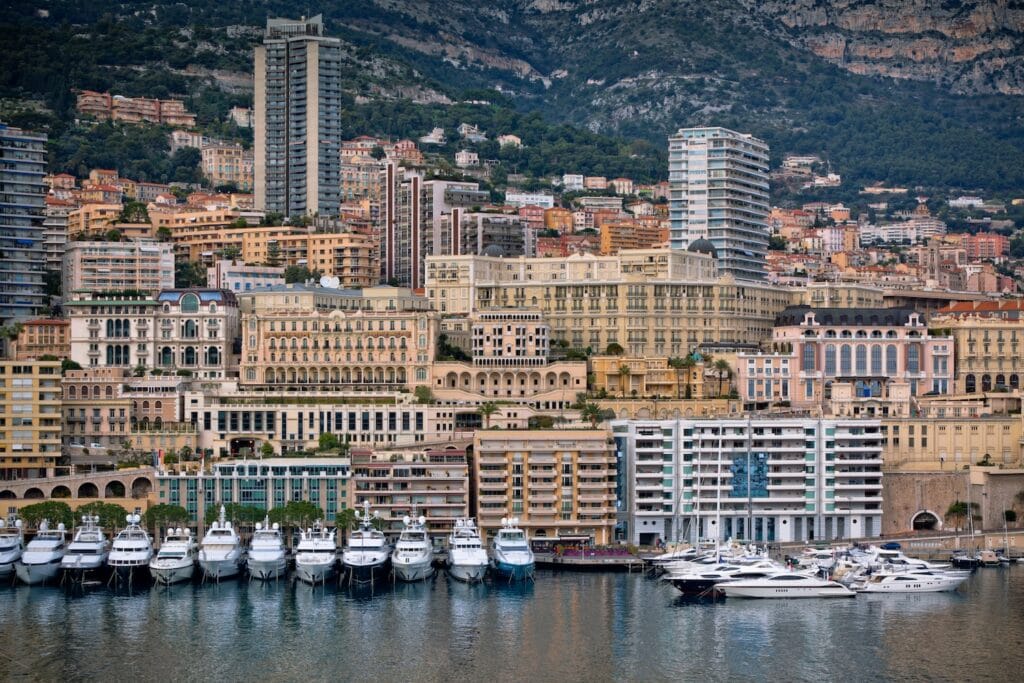
Most articles about Monaco banking are frozen in 2022. They quote €500,000 minimums, list the names of four banks, and send you on your way. What they don’t tell you is that Monaco has been on the FATF grey list since June 2024 — and it is still there: at the June 2026 plenary the
Liechtenstein private banking for non-residents is genuinely possible, often faster than its Swiss counterpart, and — in one crucial respect — easier to enter: the principality’s three major banks collectively manage over CHF 430 billion in assets for clients who overwhelmingly don’t live there. The minimum deposit at the most accessible institution, Liechtensteinische Landesbank, starts