China’s Offshore Trust Crackdown: When CRS Data Becomes a Tax Case
China’s 2026 offshore trust rules turn CRS visibility into real tax risk. See what foreign banks report, who is affected and why declared international accounts still matter.
Getting approved by international banks depends on one critical factor: your documentation. In this category, explore practical insights into compliance requirements, including KYC procedures, source of wealth declarations, and due diligence expectations. Learn how banks assess applications, identify red flags, and structure documentation that meets strict regulatory standards. To improve your approval chances, review our bank application preparation guidance.
China’s 2026 offshore trust rules turn CRS visibility into real tax risk. See what foreign banks report, who is affected and why declared international accounts still matter.
Video KYC deepfake attacks hit banks in Hong Kong, Jakarta, and Singapore in 2024-2025. Here is the layer that actually breaks, and the one that does not.
FinCEN rescinded its St Kitts CBI advisory in 2026. Learn why banks still scrutinize second passports and how to disclose acquired citizenship.
A foreign-owned US LLC is usually exempt from BOI reporting in 2026. Use the formation test and check the IRS duties that remain.
AMLA 2026 changes how EU banks score non-resident clients before 2028. See the risk triggers, documents and timing.
CARF crypto reporting is the global system that ends crypto’s tax invisibility, and for most of the world it is already switched on. From 1 January 2026, crypto platforms across 48 countries must record what you buy, sell and move. In 2027, that data starts crossing borders to your home tax authority. This guide maps
Your AML risk score is a number — or a tier label like “low,” “medium,” or “high” — that your bank assigns to you the moment you open an account. Once you understand how AML risk score banking works, the entire compliance process starts to make sense. This Customer Risk Rating (CRR) determines everything: how
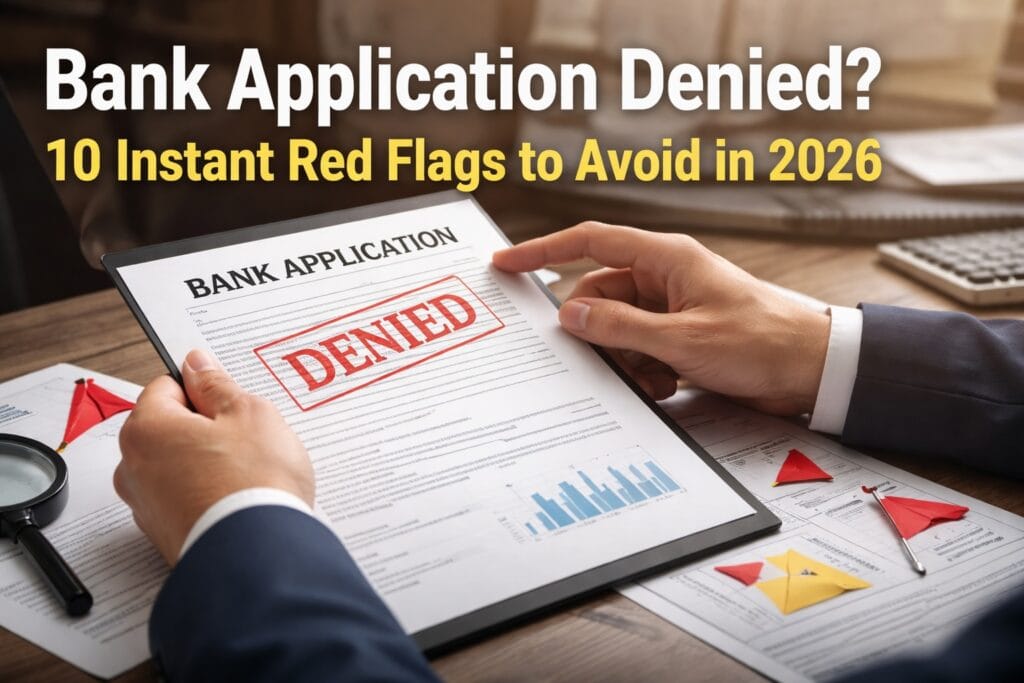
Bank account denied red flags are specific signals in your application — missing documentation, inconsistent information, opaque ownership, or a mismatch between your profile and the institution — that give compliance teams a concrete reason to say no. Most of these flags are fixable before you submit. But once an application is rejected, the damage
Imagine waking up to find your bank account frozen — not because of anything you did wrong, but because a country you’ve barely visited considers you its citizen. For hundreds of thousands of accidental Americans worldwide, this is not a hypothetical. It is their daily reality. The Foreign Account Tax Compliance Act (FATCA) has quietly
If you get your crypto income documentation bank application wrong in 2026, your bank can freeze or even close your account without warning. As a result, many crypto investors feel more scared of their compliance officer than of market volatility. I see this every week when clients come to me with blocked wires and panicked emails from