Choosing the best countries to open offshore bank account is rarely as simple as picking the most famous name on a list. The right jurisdiction depends on who you are, what you want the account to do, and how much compliance complexity you’re prepared to manage. Get it right and you gain a genuinely powerful tool for asset protection, currency diversification, and global financial access. Get it wrong and you’re saddled with frozen accounts, missed reporting deadlines, and a very unhappy tax adviser.
This guide cuts through the noise. Drawing on data verified as of April 2026, it walks you through the ten leading offshore banking jurisdictions — grouped by what they actually do best — plus the critical selection criteria, deposit thresholds, and legal obligations every account holder needs to understand.
Why Offshore Banking Still Makes Sense in 2026
The old image of offshore banking as a place to hide money is not just outdated — it’s factually wrong. What offshore banking actually does in 2026 is solve real problems for real people. Those problems fall into five categories.
Geographic diversification means your capital isn’t entirely exposed to one government’s decisions, one currency’s fluctuations, or one banking system’s structural weaknesses. For anyone with assets worth protecting, this matters enormously. Asset protection is a related but distinct benefit — jurisdictions like the Cayman Islands and Belize have legal frameworks specifically designed to shield wealth from frivolous litigation and creditor claims.
Currency diversification is particularly valuable right now, given the dollar’s persistent dominance and periodic volatility in emerging-market currencies. Holding Swiss francs, Singapore dollars, or a basket of currencies gives you options. Access to global markets — private equity, structured products, and international equities — often flows through premium offshore banks that domestic banks simply can’t match. Finally, enhanced privacy within compliant frameworks means your financial data is protected from commercial surveillance and cyber threats, even if regulators retain visibility.
Six Factors That Actually Determine the Best Jurisdiction for You
Before looking at specific countries, here’s the honest truth: there is no single best offshore jurisdiction. The right choice depends on a profile match across these six dimensions.
- Economic and political stability — sovereign credit ratings from AAA (Switzerland, Singapore) down to BB (Belize) reflect real systemic risk differences. Higher-rated jurisdictions offer greater long-term capital security.
- Banking secrecy within compliance — modern privacy protections under Switzerland’s Banking Act or Luxembourg’s CSSF regime are meaningful, even in the CRS era. They protect you from commercial data exposure, not from tax authorities.
- Tax treatment for non-residents — territorial regimes (Singapore, Hong Kong) tax only locally-sourced income; zero-tax environments (UAE, Cayman Islands) apply no local income tax at all. Understand which matters for your residency situation.
- Regulatory reputation — accounts at banks supervised by FINMA (Switzerland), MAS (Singapore), or HKMA (Hong Kong) carry a credibility premium that matters when dealing with correspondent banks and business partners.
- Minimum deposits and access requirements — thresholds range from USD 250,000 (Belize, Panama) to USD 3,000,000 (Luxembourg, Singapore private banking). Make sure the entry tier fits your actual capital position. More detail on minimum deposit requirements for non-residents is worth reviewing before you apply.
- Service scope — digital onboarding availability, crypto custody, multi-currency accounts, and 24/7 multilingual support vary enormously by jurisdiction and by individual bank.
Minimum Deposit Requirements by Jurisdiction (USD)
The chart below visualizes the entry thresholds for non-resident accounts across the ten jurisdictions in this guide. Note the wide range — from USD 250,000 in accessible hubs to USD 3,000,000 for elite private banking in Luxembourg, Singapore, and Dubai.
Tier 1 — Stability and Privacy Champions
Switzerland
AAA / StableSwitzerland manages roughly 25% of the world’s cross-border private assets — a figure that has held steady for decades and speaks to something structural, not fashionable. The Swiss banking framework, supervised by FINMA, combines centuries of political neutrality with genuine legal sophistication in wealth management, discretionary portfolio mandates, and multi-currency structuring.
The entry threshold sits at USD 500,000 for most non-resident private banking relationships. That’s not the cheapest option in this guide, but the combination of AAA sovereign stability, CHF-denominated safety, and institutional-grade service is unmatched. If asset preservation over a long time horizon is your primary objective, Switzerland belongs at the top of your list. You can explore the full process in our guide to Swiss account opening service, including the KYC and AML documentation requirements. Many individuals find that opening a swiss account as nonresident provides unique advantages for wealth management and asset diversification. Additionally, understanding the local banking regulations and taxes can further enhance the benefits of such an account. As you navigate this process, be sure to consider the holistic financial planning that can come from partnering with experienced advisors familiar with the Swiss banking landscape. Exploring the benefits of Liechtenstein banking for expats can reveal additional options for asset management and international investment strategies. The jurisdiction’s favorable regulatory environment and commitment to confidentiality often attract professionals seeking stability and privacy. By leveraging local expertise, expats can navigate complex financial landscapes and optimize their wealth.
One honest caveat: Swiss banks are thorough. Compliance reviews are detailed, source-of-funds documentation is examined carefully, and onboarding timelines can run 4–8 weeks. That’s a feature, not a bug — it’s what keeps the system credible.
Luxembourg
AAA / StableLuxembourg is the institutional investor’s choice. With AAA ratings from all four major agencies and a minimum non-resident deposit of USD 3,000,000, it targets ultra-high-net-worth clients and family offices rather than the broader private banking market. Its advantages include EU regulatory backing, a vast double-taxation treaty network, and premier fund domiciliation — Luxembourg hosts more cross-border UCITS funds than any other jurisdiction in Europe. For clients who need EU structural exposure alongside maximum privacy, Luxembourg is the answer.
Tier 2 — Global Business and Investment Hubs
Singapore
AAA / Stable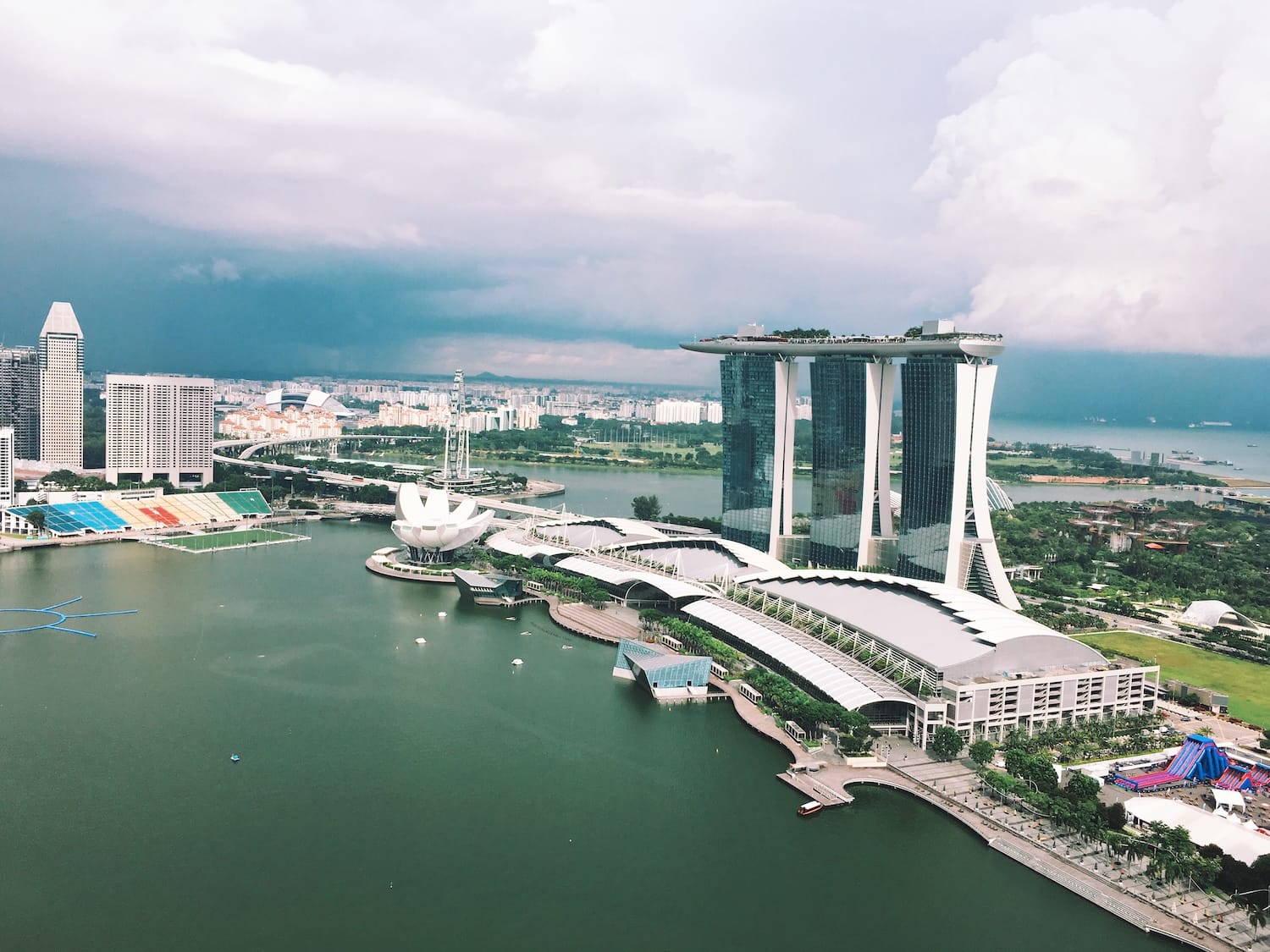
Singapore has earned its position as the pre-eminent financial hub for Asia-Pacific by combining a territorial tax system, AAA sovereign stability, and genuinely world-class FinTech infrastructure. MAS-regulated banks offer digital-only onboarding options, AI-powered advisory services, and multi-currency e-wallets that are years ahead of most Western equivalents.
Here’s the tricky part: the minimum deposit threshold is USD 3,000,000 for private banking relationships. That puts Singapore in the same bracket as Luxembourg, though the service profile is very different — Singapore skews toward entrepreneurs, digital asset holders, and internationally mobile business owners, not just wealth preservation clients. The territorial tax system means no Singapore tax on foreign-sourced income, which is a meaningful structural advantage for the right client profile. Our detailed guide to opening a Singapore bank account covers the full process including documentation and timeline expectations. When considering opening a bank account in Singapore, it’s essential to understand the various account types available and the specific requirements for each. For non-residents, there may be additional documentation needed, such as proof of income or source of funds, which can streamline the approval process. Familiarizing yourself with these factors can significantly enhance your banking experience in this financial hub.
Hong Kong
AA+ / Stable
For businesses with real operational ties to mainland China, Hong Kong is the strongest jurisdiction in this guide — and it’s not particularly close. Direct CNH access, deep USD clearing infrastructure, and no foreign exchange controls make it uniquely suited to cross-border trade flows between China, Southeast Asia, and Western markets. The entry threshold of USD 500,000 is considerably more accessible than Singapore’s private banking minimum.
The AA+ sovereign rating reflects Hong Kong’s continued strength as a financial center, even as political considerations have prompted some HNWIs to diversify holdings across multiple jurisdictions. In practice, what most people get wrong about Hong Kong is treating it as a pure wealth preservation vehicle — its real strength is transactional infrastructure for active business, not passive asset holding.
How the Top Jurisdictions Compare Across Key Criteria
The scores below reflect a composite assessment across stability, privacy, digital access, and ease of onboarding for non-residents. Switzerland and Singapore lead on stability; Belize and Panama lead on accessibility.
Tier 3 — Accessible and Crypto-Friendly Options
Cayman Islands
Aa3 / StableThe Cayman Islands holds roughly 75% of the world’s offshore hedge funds — that number tells you everything you need to know about who this jurisdiction is designed for. Zero direct taxes, a sophisticated fund administration ecosystem, and CIMA oversight that balances credibility with operational flexibility make it the top choice for investment funds, family offices, and structured finance clients. Entry deposit sits at USD 250,000. Day-to-day transactional banking is not really its strength; capital structuring and fund services are.
Panama
BBB+ / StablePanama’s territorial tax system is genuinely useful for international business: it taxes only income generated within Panama, leaving foreign-sourced earnings untouched. The USD-denominated banking environment removes currency conversion complexity, and English-speaking banking staff are the norm rather than the exception. Asset-protection structures — trusts and foundations — are well-developed under Panamanian law. Minimum deposit is USD 250,000.
Belize
BB / Stable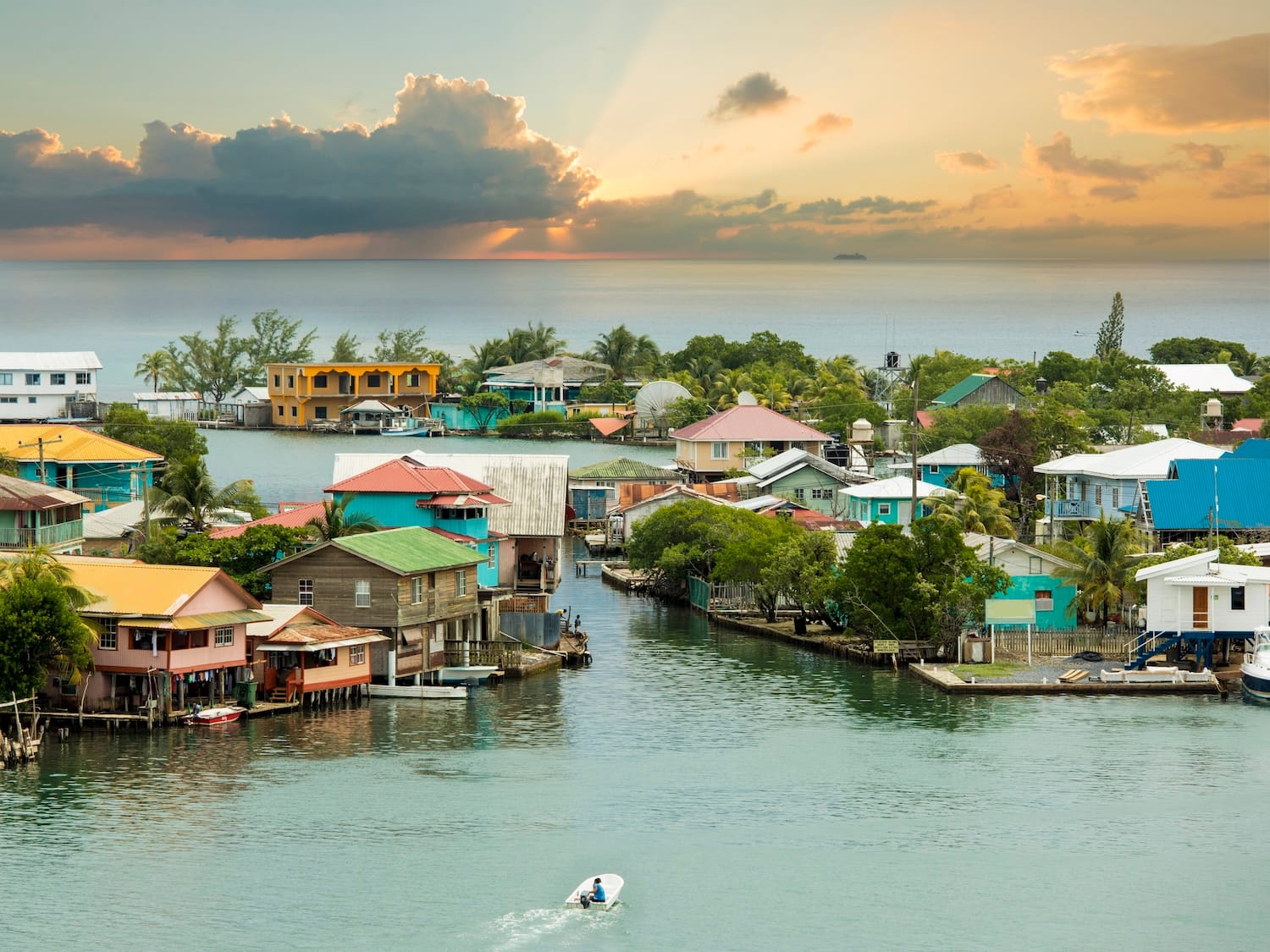
Belize is the most accessible jurisdiction in this guide for good reason. Streamlined KYC for non-residents, crypto-tolerant banks (Caye International Bank remains the most frequently cited), remote account setup, and a USD 250,000 entry threshold make it particularly popular with digital entrepreneurs and crypto-forward clients. The BB sovereign rating is lower than everything else on this list — that’s a real risk factor. However, Belize banks are required to maintain unusually high liquidity ratios (reportedly around 23% versus a global average of 3–4%), which partly compensates for the sovereign risk differential.
What most people miss about Belize is that it pairs effectively with a stronger-jurisdiction account rather than replacing it. Holding operational funds in Belize while keeping longer-term capital in Switzerland or Singapore is a legitimate two-tier strategy that several of our clients use effectively.
Tier 4 — Niche European and Emerging Hubs
Mauritius
A+ / StableMauritius has one specific advantage that no other jurisdiction in this guide can match: its double-taxation agreement (DTA) network covers India, China, and a broad range of African countries. For businesses routing investment or royalty flows between Africa and Asia, a Mauritius holding structure with a local bank account offers genuine, treaty-backed tax efficiency. Remote onboarding is available at major banks. Minimum deposit is USD 250,000.
British Virgin Islands (BVI)
BBB+ / StableThe BVI remains the world’s most popular jurisdiction for offshore company formation — over 400,000 active IBCs are registered there. Correspondent and partner bank relationships handle most of the transactional banking, as few standard retail accounts exist within the BVI itself. For corporate structures, trust arrangements, and holding company setups, it remains a default recommendation. Entry is from USD 250,000 through associated banking structures.
UAE (Dubai)
AA / StableDubai stands apart from every other entry in this guide in one crucial respect: it combines a zero-tax environment with an AA sovereign rating and a rapidly maturing FinTech ecosystem. Emirates NBD, Mashreq, and several international private banks now offer genuinely sophisticated digital banking platforms alongside traditional private wealth services. The catch is access — non-resident accounts require a minimum deposit of USD 3,000,000, reflecting the UAE’s focus on high-net-worth and ultra-high-net-worth clients. For business owners already operating in or relocating to the UAE, the combination of zero income tax and strong banking infrastructure is hard to beat.
The Complete Offshore Banking Comparison: All 10 Jurisdictions
| Country | Credit Rating | Min. Deposit (Non-Residents) | Best For | Remote Onboarding |
|---|---|---|---|---|
| Switzerland | AAA / Stable | From CHF 500,000 | Privacy, long-term wealth | Partial (video KYC) |
| Luxembourg | AAA / Stable | From USD 3,000,000 | EU fund structures, UHNW | Limited |
| Singapore | AAA / Stable | From USD 3,000,000 (boutique); USD 5,000,000+ most private banks | FinTech, Asia entrepreneurs | Limited (digital banks need Singapore residence) |
| Hong Kong | AA+ / Stable | From USD 500,000 | China trade, FX services | Partial |
| UAE (Dubai) | Aa2 / AA- (Moody’s / Fitch) | From USD 3,000,000 | Tax-free business hub | Rarely (branch visit usually required) |
| Cayman Islands | Aa3 / Stable | From USD 250,000 | Hedge funds, family offices | Yes |
| Panama | Baa3 / BBB- (Moody’s / S&P) | From USD 250,000 | USD banking, asset trusts | Partial |
| Belize | Caa1 / B- (Moody’s / S&P) | From about USD 1,000–5,000 | Crypto, low-cost entry | Yes |
| Mauritius | Baa3 (Moody’s) | From USD 250,000 | Africa-Asia DTA routing | Yes |
| British Virgin Islands | BBB+ / Stable | From USD 250,000 | Corporate structures | Yes |
How to Open an Offshore Bank Account: A Practical Step-by-Step Process
The process is more standardized than most people expect. Five steps cover the full journey from decision to activated account.
Step 1 — Define your objectives and match to a jurisdiction. Are you prioritizing asset protection, tax efficiency, digital convenience, or access to specific markets? Each of those priorities maps to a different tier in this guide. Mixing priorities is valid, but it means you may need accounts in more than one jurisdiction.
Step 2 — Select a bank and prepare your documentation. Every offshore bank requires a valid passport, proof of address (utility bill or bank statement dated within 90 days), bank reference letters, and detailed source-of-funds documentation. The more thoroughly you document the origin of your wealth at this stage, the faster onboarding proceeds. A detailed breakdown of exactly what documents to prepare is available in our guide to documentation requirements for Swiss bank accounts — many of the same requirements apply across jurisdictions.
Step 3 — Submit your application. Digital-only banks in Singapore, Hong Kong, and the UAE accept fully remote submissions with video KYC. Swiss and Luxembourg private banks typically prefer an initial in-person or video meeting to establish the relationship, particularly for accounts above USD 1,000,000.
Step 4 — Fund the account. Transfer the minimum deposit within the bank’s stipulated window (usually 30–60 days from approval). Use a clearly documented wire transfer with a source-of-funds reference. Unexplained large transfers are the most common cause of account holds at this stage.
Step 5 — Maintain ongoing compliance. This is where many clients underestimate the workload. US persons must file FBAR annually for foreign accounts exceeding USD 10,000 in aggregate, and Form 8938 when foreign asset thresholds are met. All account holders must ensure their home-country tax authority receives the required disclosures under CRS. Before you apply, it’s worth running your profile through our free AML risk score calculator to understand how banks will evaluate your application.
FATCA, CRS, and the Compliance Reality of Offshore Banking in 2026
There’s a persistent myth that offshore banking offers a way to hide money from tax authorities. In 2026, that’s simply not how it works — and hasn’t been for some time. Here’s the actual landscape.
CRS (Common Reporting Standard) covers over 100 participating jurisdictions. Banks in those jurisdictions automatically report account balances, interest, and dividend payments to your home-country tax authority every year. You don’t need to do anything for this to happen — it happens automatically.
FATCA adds an additional layer for US persons specifically. Foreign banks must report US-held accounts to the IRS. US persons are also required to file Form 8938 with their tax return when foreign financial assets exceed USD 50,000 (higher thresholds for those living abroad), and to file an FBAR annually if aggregate foreign account balances exceeded USD 10,000 at any point during the year.
None of this makes offshore banking less valuable. It makes it more transparent — which is arguably better for long-term credibility. The legitimate advantages (asset protection, currency diversification, global market access) survive fully compliant transparency. What offshore banking can no longer do is shield undeclared income, which was never its legitimate purpose anyway.
Work with advisers who understand the compliance landscape thoroughly. The penalties for FATCA and FBAR non-compliance are severe — up to 50% of account value per year for willful violations.
Three Offshore Banking Trends Worth Watching in 2026
Digital-first onboarding is now the norm, not the exception. Banks in Singapore, Hong Kong, and Dubai have fully digital onboarding flows that complete in days rather than weeks. Even traditional Swiss private banks now offer video KYC as a first step. The friction of opening offshore accounts has dropped substantially in the past three years.
Crypto custody is becoming a standard banking service. Switzerland, Singapore, and Dubai have all developed regulated frameworks for digital asset custody. Swiss banks like Seba and Sygnum operate under full FINMA banking licences. Singapore’s MAS has granted digital payment token licences to several major institutions. This isn’t niche or experimental — it’s a mainstream service tier.
AI-powered compliance is accelerating due diligence. Banks now use machine learning to analyse transaction patterns, flag risk concentrations, and automate elements of KYC review. The practical effect for applicants is that applications are faster when clean and flagged faster when problematic. There’s less room for ambiguity than there was five years ago, which reinforces the importance of clear, documented source-of-funds narratives.
Frequently Asked Questions About Offshore Banking
-
Is offshore banking legal in 2026?
Yes, absolutely — offshore banking is a well-established, legal financial strategy. It remains fully legitimate when accounts are declared to your home-country tax authority and used for genuine purposes such as asset protection, currency diversification, or international business operations. Compliance with CRS and FATCA is mandatory, not optional. The idea that offshore banking is inherently secretive or evasive reflects an outdated reality. Modern offshore banking is transparent by design.
-
Which offshore jurisdictions have zero local tax?
The UAE (Dubai), Cayman Islands, and British Virgin Islands apply no local income, capital gains, or inheritance taxes. Panama and Belize operate territorial tax systems, meaning only locally sourced income is taxed. However — and this is important — zero local tax does not mean zero tax obligation. You remain liable for income taxes in your country of tax residence on worldwide income. Always verify your personal tax position with a qualified adviser before selecting a jurisdiction based on tax considerations.
-
How much money do I need to open an offshore account?
Requirements vary significantly by jurisdiction and bank tier. As a practical guide: accessible jurisdictions like Belize, Panama, and Mauritius start at around USD 250,000 for non-resident accounts. Mid-tier hubs like Switzerland and Hong Kong typically start at USD 500,000 for private banking. Premium jurisdictions — Luxembourg, Singapore, and Dubai — require USD 3,000,000 or more for private banking relationships. Some digital banks and fintech platforms offer lower entry points, though with more limited service offerings. There is no single universal minimum. Offshore banking options for individuals can offer various benefits, including privacy and asset protection. However, it’s essential to thoroughly research and understand the legal implications associated with these accounts. Consulting with a financial advisor or legal expert can help navigate the complexities of choosing the right offshore banking solution.
-
Can I open an offshore account entirely online?
For several jurisdictions — Belize, Mauritius, Singapore digital banks, and UAE digital platforms — fully remote onboarding via video KYC is available. Hong Kong’s major banks typically require at least an initial in-person or video verification call. Swiss and Luxembourg private banks strongly prefer an introductory meeting in person for accounts above a certain threshold, especially for new clients with no existing relationship. The trend is firmly toward remote-first, but traditional private banks still value the personal relationship meeting at the start.
-
What extra obligations apply to US citizens opening offshore accounts?
US persons face the most complex reporting requirements. First, FBAR (FinCEN Form 114) must be filed annually if aggregate foreign account balances exceeded USD 10,000 at any point during the year. Second, Form 8938 must be filed with your tax return if foreign financial assets exceed specified thresholds (starting at USD 50,000 for single filers residing in the US). Third, all interest, dividends, and capital gains from foreign accounts must be reported on your US tax return. Fourth, you should only work with banks that are explicitly FATCA-compliant — not all offshore institutions accept US persons due to the compliance burden FATCA imposes on the bank itself.
-
Which jurisdiction is best for crypto-friendly offshore banking?
Three jurisdictions stand out. Belize is the most accessible, with crypto-tolerant banks and streamlined remote onboarding — practical for entrepreneurs with digital asset holdings. Switzerland has the most sophisticated regulated crypto banking framework, with FINMA-licenced digital asset banks like Seba and Sygnum offering institutional-grade custody and trading services. Singapore’s MAS has granted digital payment token licences to major institutions, making it competitive for larger digital asset portfolios that need both crypto custody and traditional private banking in the same relationship.
Finding the Right Offshore Banking Setup for Your Situation
The best countries to open an offshore bank account in 2026 are those that match your specific profile — your capital level, your tax residency, your risk tolerance, and your objectives. Switzerland and Luxembourg offer unmatched stability and privacy for long-term wealth preservation. Singapore and Hong Kong lead in FinTech sophistication and Asian market access. Dubai brings zero local tax with genuine banking innovation. Cayman Islands, Panama, Belize, Mauritius, and BVI serve more specific structural needs at lower entry thresholds. As we look towards the top banking jurisdictions in 2025, emerging markets such as India and Brazil are anticipated to gain prominence alongside traditional powerhouses. Increased regulatory clarity and favorable economic conditions in these regions will attract more international investors seeking diversified banking options. Additionally, advancements in digital banking technology will make these jurisdictions even more appealing for both individuals and businesses looking to maximize their financial strategies.
What all of these jurisdictions have in common in 2026 is full participation in global compliance frameworks. Offshore banking is not a way around tax obligations — it’s a way to optimize the structure through which you manage legitimate financial goals across borders.
The team at Easy Global Banking facilitates introductions to private banks in Switzerland and Singapore for qualifying clients. Whether your priority is opening a Swiss bank account for world-class wealth preservation or establishing a Singapore bank account to anchor an Asia-Pacific financial strategy, we can guide you through every step of the process — from pre-screening through to activated account.
References
- Statrys — Best Countries for Offshore Banking in 2026: A Guide for SMEs (opens in new tab)
- Q Wealth Report — Best 11 Countries to Open Offshore Bank Accounts in 2026 (opens in new tab)
- Fastlane Global — Top 10 Countries to Open an Offshore Bank Account in 2026 (opens in new tab)
- Mural Pay — Best Countries for Offshore Banking: Pros and Cons (opens in new tab)
- BBCIncorp — Top 11 Countries With Best Offshore Bank Accounts for 2026 (opens in new tab)