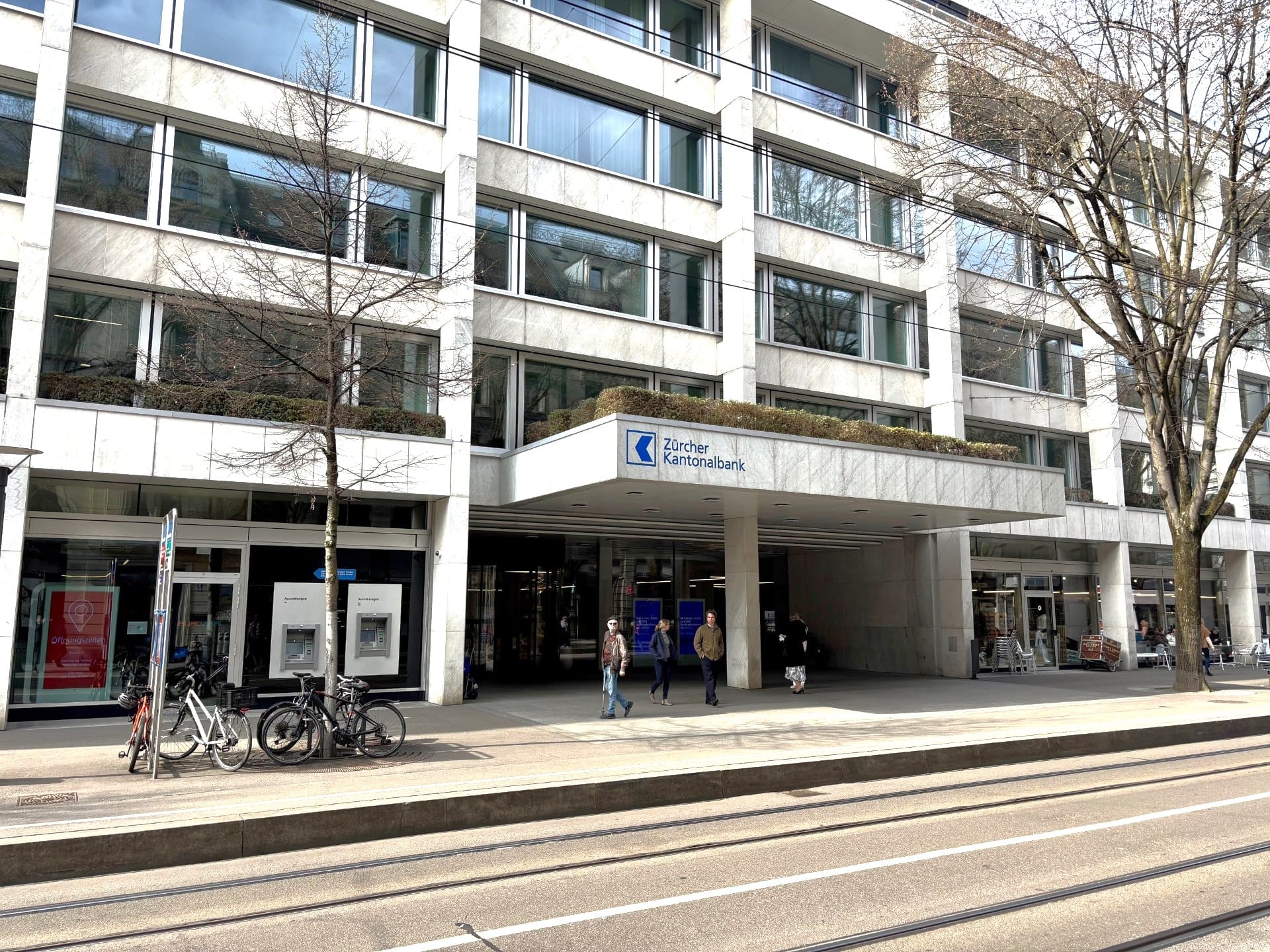
Swiss bank credit ratings in 2026 tell a more nuanced story than the country’s safe-haven reputation suggests. For instance, Zürcher Kantonalbank holds the maximum AAA from all three major agencies — one of only a handful of banks anywhere in the world that can say that. Meanwhile, UBS sits at Aa2 / A+ / A depending on which agency you ask, following the resolution of its post-Credit Suisse rating reviews. Furthermore, several well-known private banks, including Vontobel and J. Safra Sarasin, carry no S&P ratings — not because they are weak, but because they simply have no need for one.
Indeed, that last point matters more than most guides acknowledge. A bank without a public credit rating is not necessarily riskier than one with a AA. Instead, it may simply operate with a different funding model — one that draws on client deposits and equity rather than public bond markets. Consequently, the absence of an agency rating tells you about a bank’s funding structure, not its safety. Ultimately, understanding that distinction is the starting point for making sense of Swiss banking creditworthiness.
Moreover, some banks widely assumed to be unrated are in fact rated. For example, Pictet carries a Fitch AA−/F1+ and a Moody’s Aa2/P-1. Similarly, Lombard Odier holds a Fitch AA−/F1+. Additionally, EFG International is rated by both Moody’s and Fitch. Much of the confusion stems from outdated guides that haven’t tracked these institutions since their conversion to limited-liability corporations after 2010. Therefore, this guide corrects that record, verifies all data against official sources, and lists the full roster of licensed Swiss banks updated to early 2026.
How to Read Swiss Bank Credit Ratings: A Quick Reference
Before reviewing the data, it helps to understand the framework. Specifically, S&P and Fitch use letter-based scales with plus/minus modifiers. Moody’s, by contrast, uses a parallel system with numerical suffixes. Both systems measure the same underlying concept: the probability that an institution will honour its financial obligations. Crucially, neither measures whether a bank offers good service or treats your data confidentially — only whether it is likely to remain solvent.
The Core Rating System
Modifiers and Outlooks: The Details That Matter
Within each category, modifiers sharpen the distinction. For instance, S&P and Fitch use “+” (upper end) and “−” (lower end). Moody’s, meanwhile, appends numerals — 1 (top), 2 (middle), 3 (lower). As a result, Moody’s Aa2 sits between Aa1 (near-AAA) and Aa3 (mid-AA). Furthermore, an S&P A+ sits one notch below AA−, meaningfully stronger than a plain A. Therefore, these differences matter considerably when comparing institutions within the same broad tier.
Equally important is the outlook. Specifically, a stable outlook signals the agency expects no change within the next 12 to 18 months. Conversely, a negative outlook indicates a downgrade is under consideration. On the other hand, a positive outlook suggests a possible upgrade is being assessed. Together, the rating and the outlook form the complete picture — a high rating with a negative outlook is often less reassuring than a slightly lower rating held firmly at stable.
Switzerland’s Banking Sector: Structure and Scale
Switzerland’s banking system is not monolithic. Rather, the SNB classifies institutions across nine categories that differ fundamentally in business model, ownership, and regulatory treatment. As of the most recent SNB data, the sector holds a combined balance sheet of approximately CHF 3.4 trillion — with UBS alone accounting for around 42% of that figure following the 2023 Credit Suisse absorption.
Doughnut chart showing Swiss banking balance sheet shares: UBS (large banks) 42%, Cantonal banks 18%, Raiffeisen banks 9%, Regional and savings banks 8%, Stock exchange and private banks 8%, Foreign-controlled banks 8%, Branches of foreign banks 5%, PostFinance and others 2%.
The UBS Concentration Effect
The Credit Suisse merger significantly altered the sector’s concentration. Specifically, Switzerland now has one globally systemically important bank (G-SIB) — UBS — rather than two. On one hand, that shift increases systemic risk on paper. However, it also means one institution is now subject to the highest tier of FINMA and SNB oversight, with capital and resolution requirements calibrated precisely to its global scale. Furthermore, the February 2025 “Too Big to Fail” report from FINMA proposed additional capital buffers for UBS above existing requirements, a process still under parliamentary review as of early 2026.
Swiss Bank Credit Ratings 2026: Verified Data by Institution
The table below reflects ratings verified directly from official agency publications, institutional investor relations pages, and authoritative third-party databases as of Q1 2026. Importantly, where an agency has not publicly rated an institution, this is stated explicitly rather than left blank or estimated.
Evaluating the Ratings Landscape
A few patterns emerge immediately from the ratings data. First, cantonal banks dominate the top of the distribution — not because of operational superiority over UBS, but because of the state guarantee structures behind them. For instance, ZKB’s standalone credit assessment (aa−, without the Canton of Zurich guarantee) would place it solidly in AA territory. Consequently, the AAA rating reflects sovereign backing rather than leverage or profitability alone.
Understanding the Agency Divergence
Second, UBS shows a notable divergence across agencies. Specifically, Moody’s assigns Aa2 — effectively AA — while S&P sits at A, a meaningful gap. This is not unusual, however, after a major acquisition; agencies weight systemic importance, government support probability, and integration risk differently. Moreover, as the Credit Suisse integration completes through 2026, that gap is likely to narrow. Therefore, for clients using Swiss bank accounts for wealth preservation rather than bond investment, the practical difference between Aa2 and A is minimal — both indicate very strong creditworthiness.
| Bank | S&P (LT / ST) | Fitch (LT / ST) | Moody’s (LT / ST) | Outlook / Notes |
|---|---|---|---|---|
| Aargauische Kantonalbank | AA+ / A-1+ | — | — | Stable. State guarantee from Canton of Aargau. |
| Bank Julius Bär & Co. AG | — | — | A1 / P-1 | Stable. Deposit rating only. Basel III Final implemented Jan 2025; CET1 14.2% (2024 equivalent). |
| Bank Vontobel AG | — | — | Aa3 / P-1 | ⚠ Updated Aug 2025. Was “under review” (Oct 2024). Review resolved stable Aug 8, 2025. Deposit rating affirmed Aa3. Vontobel Holding AG issuer rating downgraded A3 from A2. |
| Banque Cantonale de Genève | AA− / A-1+ | — | — | Stable. Partial state guarantee from Canton and City of Geneva. |
| Banque Cantonale Vaudoise (BCV) | AA / A-1+ | — | Aa2 / P-1 | Stable. State guarantee from Canton of Vaud. |
| Basellandschaftliche Kantonalbank | AA+ / A-1+ | — | — | Stable. State guarantee from Canton of Basel-Landschaft. |
| Basler Kantonalbank | AA+ / A-1+ | AAA / F1+ | — | Stable. State guarantee from Canton of Basel-Stadt. Fitch AAA reflects sovereign backing. |
| Berner Kantonalbank (BEKB) | — | — | Aa2 / P-1 | Stable. State guarantee from Canton of Bern. |
| Cembra Money Bank AG | A− / A-2 | — | — | Stable. Consumer finance specialist. Listed on SIX. |
| Clientis Bank (group) | — | — | A2 / P-1 | Stable. Network of regional retail banks serving local Swiss communities. |
| Cornèr Bank AG | — | BBB+ / F2 | — | Stable. Lugano-based retail and private bank. Investment-grade bank. |
| EFG Bank AG | — | A / F1 | Aa3 / P-1 | Stable (both). Fitch: LT IDR A / ST F1 / VR a / AT1 BBB−. Moody’s BCA baa1. Strong Lombard & mortgage book. CHF 143B AUM. |
| EFG International AG | — | A / F1 | A1 / P-1 | Stable. Holding company. Moody’s A1 / Fitch A at group level. AUM ~$143B. 2024 NNM +7.1%. |
| Glarner Kantonalbank | AA / A-1+ | — | — | Stable. State guarantee from Canton of Glarus. |
| Graubündner Kantonalbank | AA / A-1+ | — | — | Stable. State guarantee from Canton of Graubünden. |
| Bank J. Safra Sarasin AG | A / A-1 | — | — | Stable. Private bank. AUM ~$197.9B. Cost/income ratio below 50% — strong efficiency. |
| LGT Bank AG | A+ / A-1 | — | Aa2 / P-1 | Stable. Owned by the Princely House of Liechtenstein. Strong governance and capital position. |
| Lombard Odier & Cie SA | — | AA− / F1+ | — | Stable. Fitch-rated since conversion to AG in 2014. Founded 1796. AUM ~$192B. |
| Luzerner Kantonalbank (LUKB) | AA+ / A-1+ | — | — | Stable. State guarantee from Canton of Lucerne. |
| Migros Bank AG | A / A-1 | — | — | Stable. Retail bank owned by Migros cooperative group. Focused on Swiss domestic clients. |
| Pictet & Cie SA | — | AA− / F1+ | Aa2 / P-1 | Stable (both). LCR 206% (H1 2025). AUM ~$893B. Founded 1805. Converted to AG 2014. |
| PostFinance AG | AA / A-1+ | — | — | Stable. Subsidiary of state-owned Swiss Post. CHF 104.8B total assets (2024). |
| Raiffeisen Schweiz Genossenschaft | AA− / A-1+ | A+ / F1 | Aa3 / P-1 | Stable. Switzerland’s third-largest banking group by balance sheet. ~230 cooperative banks. |
| Schwyzer Kantonalbank | AA+ / A-1+ | — | — | Stable. State guarantee from Canton of Schwyz. |
| St. Galler Kantonalbank | — | — | Aa1 / P-1 | Stable. State guarantee from Canton of St. Gallen. Aa1 — highest Moody’s rating outside ZKB. |
| UBS AG | A / A-1 | A+ / F1 | Aa2 / P-1 | ⚠ S&P updated Feb 2025. Was A+/A-1 under review (Oct 2024). S&P resolved review; UBS Group rated A− stable (Feb 17, 2025); UBS AG one notch higher at A. Moody’s Aa2 stable affirmed Nov 2025. Fitch A+ stable affirmed Jun 2025. |
| Valiant Bank AG | — | — | A1 / P-1 | Stable. Regional retail bank focused on Switzerland. Listed on SIX. |
| VP Bank AG | A− / A-2 | — | — | Stable. Liechtenstein-based; Swiss branch in Zürich. Wealth management for HNWIs. |
| Zürcher Kantonalbank (ZKB) | AAA / A-1+ | AAA / F1+ | Aaa / P-1 | Stable (all three). S&P reconfirmed Nov 2025 / Moody’s Aug 2025 / Fitch Feb 2026. Triple-AAA. Only bank in Switzerland with this distinction. |
Sources & methodology: Base data from the original October 2024 ratings table, cross-referenced against official bank investor relations pages and verified agency publications. Post-October 2024 material changes are flagged with ⚠. Ratings are long-term issuer ratings unless noted as deposit ratings. Short-term ratings shown where available in source data. Always verify directly with the issuing agency before making any financial decision.
Visual Rating Comparison: Swiss Banks by Agency Score
Grouped bar chart showing S&P, Moody’s, and Fitch scores for 12 Swiss banks. ZKB tops all three at 10. Basler KB: S&P 9, Fitch 10. BCV: S&P 8, Moody’s 8. Pictet: Moody’s 8, Fitch 7. Lombard Odier: Fitch 7. LGT: S&P 6, Moody’s 8. Vontobel deposit: Moody’s 7. UBS AG: S&P 5, Moody’s 8, Fitch 6. Raiffeisen: S&P 7, Moody’s 7, Fitch 6. EFG International: Moody’s 6, Fitch 5. Julius Baer deposit: Moody’s 6. Cornèr Bank: Fitch 3 (BBB+).
UBS Credit Profile 2026: Integration Progress and Remaining Risks
Where the Ratings Stand Now
UBS deserves its own section because its credit story in 2026 is still unfolding. For example, Moody’s November 2025 credit opinion confirmed the Aa2 long-term deposit and issuer ratings with a stable outlook — a meaningful improvement from the negative outlook attached immediately after the Credit Suisse acquisition. Indeed, the affirmation reflects genuine progress: targeted gross cost saves of around $13 billion, meaningful franchise stabilisation, and Q3 2025 net profit of $2.5 billion (up 74% year-on-year). Similarly, S&P resolved its Credit Watch review in February 2025, affirming UBS AG at approximately A/A-1 with a stable outlook. In addition, Fitch holds a stable A+/F1 as of June 2025.
Risks That the Letter Rating Does Not Fully Capture
Nevertheless, UBS carries risks that straight letter ratings do not fully show. For instance, litigation provisions stand at $3.8 billion as of Q3 2025 ($3.1B for UBS legacy cases, $0.7B for Credit Suisse acquisition-related contingencies). Furthermore, the Non-core and Legacy division — housing unwanted Credit Suisse assets — is winding down, yet residual positions will remain on UBS’s balance sheet well into the late 2020s. Additionally, UBS remains the sole G-SIB in Switzerland, making it subject to the highest regulatory capital standards globally.
Ultimately, for HNWIs using UBS for wealth management, the practical implications of these rating nuances are limited. Specifically, the bank’s Swiss domestic operations — transferred to UBS Switzerland AG in 2015 to improve resolvability — remain well-capitalised and FINMA-supervised independently. Moreover, deposit protection up to CHF 100,000 per depositor applies via esisuisse regardless of the holding company’s rating. Consequently, for deposits above that threshold, the Aa2/A+/A ratings reflect a robust institution. In conclusion, investors comparing Swiss options can explore the private banking vs retail banking distinction for detail on how custody structures interact with credit risk.
The Cantonal Bank Advantage: State Guarantees Explained
How the Staatsgarantie Works
Twenty-one of Switzerland’s 24 cantonal banks operate with a state guarantee — known as the Staatsgarantie. Importantly, this is not a theoretical backstop or a “best efforts” commitment. Rather, it is a legal and statutory obligation under cantonal law, backed by the taxing authority of the relevant canton. Consequently, if a cantonal bank were to fail, the canton is legally required to repay deposits in full, regardless of the bank’s own asset position.
Indeed, that mechanism explains why ZKB carries a triple-AAA rating despite its standalone aa− credit assessment. S&P assigns the same AAA to the Canton of Zurich itself — and a bank backed by a AAA sovereign effectively inherits that credit quality for obligation purposes. Similarly, the same logic applies to other cantonal banks with state guarantees, though ratings vary depending on the fiscal strength of the individual canton.
Which Cantonal Banks Do Not Have Full State Guarantees
Three cantonal banks do not carry full state guarantees. For example, Banque Cantonale de Genève operates under a partial guarantee from the Canton and City of Geneva. Additionally, Berner Kantonalbank and Geneva’s BCGE have shifted to models with conditional or limited guarantee arrangements. Therefore, always confirm the specific guarantee structure directly with the relevant bank rather than assuming uniform coverage across all 24 institutions.
Implications for Large Depositors
Consequently, for large depositors — particularly non-residents seeking Swiss bank accounts as non-residents — cantonal banks represent the most straightforward safety structure available. Specifically, the state guarantee removes counterparty risk for deposits within the canton’s fiscal capacity. Furthermore, Swiss cantons maintain extremely strong fiscal positions. For instance, Switzerland’s national debt-to-GDP stands at 27.8%, and most cantons run balanced or surplus budgets independently of the federal government.
Private Banks Without Public Ratings: What It Actually Means
A Widely Misunderstood Signal
Pictet, Lombard Odier, Vontobel, J. Safra Sarasin — none of these institutions carry S&P ratings. However, that does not mean they are unrated. In fact, Pictet and Lombard Odier both hold Fitch AA−/F1+ (stable), and Pictet additionally carries Moody’s Aa2/P-1. Crucially, these ratings were assigned after both institutions converted from traditional partnerships to limited-liability corporations between 2010 and 2014 — a structural change that opened access to public debt markets and made agency engagement commercially logical.
Furthermore, EFG International is fully rated by both Moody’s (A1/P-1) and Fitch (A/F1). Unfortunately, many guides still list it as unrated, which is simply outdated. Instead, the institutions that genuinely operate without major agency ratings are primarily smaller private banks, regional savings institutions, and family-owned establishments that fund entirely through client deposits and equity. Consequently, they have no operational need to engage rating agencies. Our best private banks review handles this by reading capital ratios alongside ratings, so an unrated bank is not marked down simply for how it funds itself.
Why Some Strong Banks Choose to Skip the Ratings Process
Credit ratings exist primarily because bond investors need them. Specifically, when a bank issues public debt — corporate bonds, AT1 instruments, covered bonds — institutional buyers require a rating to determine the appropriate yield and to comply with their investment mandates. Conversely, banks that fund themselves purely through client deposits and equity capital have no such need. Moreover, engaging rating agencies costs money, requires ongoing disclosure, and creates a public narrative the bank must actively manage. As a result, conservative private institutions often choose direct communication with their sophisticated client base over an agency relationship.
Verifying Unrated Institutions
That said, unrated does not mean unverifiable. Therefore, for any institution without a public rating, the relevant questions are practical: What is the Tier 1 capital ratio? What has the LCR averaged over the past three years? What is the loan-to-deposit ratio? For example, these figures appear in annual reports and can be requested directly from relationship managers. In fact, Pictet reported a Liquidity Coverage Ratio of 206% in H1 2025 — substantially above the 100% regulatory minimum. Ultimately, a private bank that declines to share these metrics warrants further scrutiny before opening a relationship.
Key Changes in the Swiss Banking Landscape Since 2024
FlowBank SA — Closed by FINMA (June 2024)
FINMA initiated bankruptcy proceedings against FlowBank SA on June 13, 2024, after determining the online broker-bank was over-indebted and unable to meet minimum capital requirements. Consequently, privileged deposits (up to CHF 100,000) were repaid from available funds. Thus, the case reinforced FINMA’s willingness to act decisively for smaller institutions without seeking a rescue merger.
Gonet & ONE Swiss Bank — Merger Completed 2025
Gonet completed its acquisition of ONE Swiss Bank in mid-2025, creating a consolidated private banking group operating under the Gonet brand. This reflects the ongoing consolidation trend. Specifically, Switzerland’s licensed bank count has declined from 326 in 1987 to 266 in 2017 to approximately 237 at start of 2024, with further reductions through 2025.
Banque Richelieu Switzerland — Kaleido Private Bank Acquired (July 2025)
Group Banque Richelieu (Paris; owned by Société Générale de Banque au Liban) completed the acquisition of Kaleido Private Bank AG on July 8, 2025. Subsequently, the Zurich bank — previously controlled by Baltic group Citadele — was rebranded Banque Richelieu Switzerland. In addition, new CEO Gian Nay was appointed in early 2026. The acquisition brings group AUM to ~€10 billion. Furthermore, the group maintains shareholders’ equity exceeding €200 million and a Tier 1 capital ratio of 27%.
MBaer Merchant Bank AG — Licence Revoked, In Liquidation (February 2026)
FINMA revoked MBaer Merchant Bank AG’s licence on February 6, 2026. Subsequently, the liquidation order became legally binding on February 27, 2026 after the bank withdrew its court appeal. Specifically, the grounds were severe: systematic AML failures, sanctions evasion, and circumvention of official asset freezes. Therefore, FINMA described the shortcomings as “irreparable.”
Moreover, the case escalated on February 26, 2026, when the US Treasury’s FinCEN proposed naming MBaer a “primary money laundering concern” under Section 311 of the USA PATRIOT Act. Specifically, they alleged the bank funnelled over $100 million through the US financial system for actors linked to Iran, Russia, and Venezuela. Consequently, this dual Swiss-US pressure triggered the board’s immediate withdrawal of its court appeal. Furthermore, MBaer, founded in 2018 by Michael Bär (great-grandson of the Julius Bär founder), held CHF 4.9 billion in client assets and ~700 client relationships.
Currently, liquidators Prof. Daniel Staehelin and Dr. Lukas Bopp (Kellerhals Carrard Basel) are overseeing the wind-down. Additionally, the bank states assets are sufficient to repay all clients in full. However, US sanctions constraints limit individual payments to CHF 100,000. In parallel, FINMA has also opened proceedings against four unnamed individuals involved in the bank’s conduct.
S&P Resolves UBS Review — Downgrade to A−/Stable (February 2025)
S&P Global Ratings resolved its Credit Watch review on UBS Group AG on February 17, 2025, affirming the group at A− with a stable outlook — a one-notch downgrade from A+/A-1 (under review) held in October 2024. UBS AG (the operating bank) is rated one notch higher, at approximately A/A-1. Meanwhile, Moody’s Aa2 and Fitch A+ both carry stable outlooks as of mid-2025, ultimately reflecting successful integration progress and improved profitability.
Vontobel Moody’s Under-Review Resolved — Holding Downgraded (August 2025)
Moody’s resolved the “under review” status on Bank Vontobel on August 8, 2025. Consequently, the bank’s deposit rating was affirmed at Aa3 (stable). However, Vontobel Holding AG’s issuer rating was downgraded to A3 from A2. Specifically, this reflects pressures in the asset management business — primarily, extended fund outflows weighing on fee income. Nevertheless, the deposit rating held firm due to additional LGF uplift from strengthened loss-absorbing debt issuance.
Basel III Final Implementation — January 2025
Switzerland implemented the Basel III Final Standard from January 1, 2025. Fortunately, most Swiss institutions entered 2025 well-capitalised relative to the new standards. For instance, Julius Baer disclosed a CET1 ratio of 14.2% under the new framework as of December 2024 — solidly above minimum requirements.
Complete List of Licensed Swiss Banks by Category (2026)
The following categorised overview reflects the structure of Switzerland’s licensed banking sector. Importantly, individual listings within each category represent institutions active as of early 2026. In addition, note that FlowBank SA (listed in prior versions of this article) has been removed following its June 2024 bankruptcy. Similarly, the Gonet / ONE Swiss Bank merger means ONE Swiss Bank no longer operates as a standalone entity.
Navigating the Categorised Overview
- Big Banks: UBS only (post-Credit Suisse merger). S&P A/A-1 · Moody’s Aa2/P-1 · Fitch A+/F1. Highest regulatory tier globally.
- Cantonal Banks (24): Government-backed; most carry state guarantees. ZKB is the only triple-AAA bank in Switzerland. Most cantonal banks rated AA or AA+ with S&P.
- Raiffeisen Schweiz Genossenschaft: S&P AA−/A-1+ · Fitch A+/F1 · Moody’s Aa3/P-1. Switzerland’s third-largest banking group by balance sheet.
- Regional and Savings Banks: Local focus; most unrated by major agencies. Suitable for domestic depositors with cantonal deposit scheme protection.
- Stock Exchange / Private Banks: Significantly more rated than commonly reported. Pictet: Fitch AA−, Moody’s Aa2. Lombard Odier: Fitch AA−. Vontobel: Moody’s Aa3 (deposit). EFG International: Fitch A, Moody’s A1. Julius Baer: Moody’s A1 (deposit). LGT: S&P A+, Moody’s Aa2.
- Foreign-Controlled Banks: Swiss subsidiaries of international groups. Rating typically mirrors parent — e.g. J.P. Morgan Switzerland inherits JPMorgan Chase’s Aa2/A+/AA− ratings.
- Private Bankers: Family-owned; typically unrated. Safety assessed via Tier 1 capital ratios, LCR, and loan-to-deposit ratios available in annual reports.
- ⛔ MBaer Merchant Bank AG: FINMA licence revoked February 2026. In liquidation. Not a safe institution — included in the A–Z list for historical reference only.
Authoritative Sources for Bank Data
Ultimately, for the full current list of licensed institutions, the FINMA website maintains an authoritative register updated in real time. Additionally, the SNB’s data portal publishes balance sheet statistics by bank category on a monthly basis. Therefore, both are free to access and more current than any third-party compilation, including this one.
Complete A–Z Directory of Licensed Swiss Banks (2026)
The following is the most complete publicly available list of FINMA-licensed banks operating in Switzerland, updated to reflect closures and mergers through early 2026. For instance, FlowBank SA has been removed (FINMA bankruptcy June 2024). Likewise, ONE Swiss Bank has been removed (merged into Gonet, 2025). Finally, institutions are listed in alphabetical order by registered name. The top private banks in Switzerland are well-known for their private wealth management services. They cater to a diverse clientele, offering tailored financial solutions and investment strategies. Additionally, these institutions often emphasize discretion and security, which are highly valued by their clients.
| # | Bank Name | Head Office |
|---|---|---|
| 1 | Aargauische Kantonalbank | Aarau |
| 2 | ABANCA CORPORACION BANCARIA S.A., Betanzos, succursale de Genève | Genève |
| 3 | acrevis Bank AG | St. Gallen |
| 4 | AEK BANK 1826 Genossenschaft | Thun |
| 5 | Allfunds Bank International S.A., Luxembourg, Zurich Branch | Zürich |
| 6 | Alpha RHEINTAL Bank AG | Au SG |
| 7 | Alternative Bank Schweiz AG | Olten |
| 8 | Appenzeller Kantonalbank | Appenzell |
| 9 | Aquila AG | Zürich |
| 10 | Arab Bank (Switzerland) Ltd. | Genève |
| 11 | AXION SWISS BANK SA | Lugano |
| 12 | Baloise Bank SoBa AG | Solothurn |
| 13 | Banca Aletti & C. (Suisse) SA | Lugano |
| 14 | BANCA CREDINVEST SA | Lugano |
| 15 | BANCA DEL CERESIO SA | Lugano |
| 16 | BANCA DEL SEMPIONE SA | Lugano |
| 17 | Banca dello Stato del Cantone Ticino | Bellinzona |
| 18 | Banca Popolare di Sondrio (Suisse) SA | Zürich |
| 19 | BANCA ZARATTINI & CO. SA | Lugano |
| 20 | Banco Itaú (Suisse) SA | Zürich |
| 21 | Banco Santander International SA | Zürich |
| 22 | Bank Avera Genossenschaft | Wetzikon ZH |
| 23 | Bank BSU Genossenschaft | Uster |
| 24 | Bank CIC (Schweiz) AG | Basel |
| 25 | Bank Cler AG | Basel |
| 26 | Bank EEK AG | Bern |
| 27 | Bank EKI Genossenschaft | Interlaken |
| 28 | Bank für Tirol und Vorarlberg AG, Innsbruck, Zweigniederlassung Staad | Thal |
| 29 | Bank Gantrisch Genossenschaft | Schwarzenburg |
| 30 | Bank in Zuzwil AG | Zuzwil SG |
| 31 | Bank J. Safra Sarasin AG | Basel |
| 32 | Bank Julius Bär & Co. AG | Zürich |
| 33 | Bank Leerau Genossenschaft | Kirchleerau |
| 34 | Bank Linth LLB AG | Uznach |
| 35 | Bank Oberaargau AG | Huttwil |
| 36 | Bank of America Europe DAC, Dublin, Zweigniederlassung Zürich | Zürich |
| 37 | Bank of China Limited, succursale de Genève | Genève |
| 38 | Bank SLM AG | Münsingen |
| 39 | Bank Sparhafen Zürich AG | Zürich |
| 40 | Bank Thalwil Genossenschaft | Thalwil |
| 41 | Bank von Roll AG | Zürich |
| 42 | Bank Vontobel AG | Zürich |
| 43 | BANK ZIMMERBERG AG | Horgen |
| 44 | bank zweiplus ag | Zürich |
| 45 | BankMed (Suisse) SA | Genève |
| 46 | Bank-now AG | Horgen |
| 47 | Banque Algérienne du Commerce Extérieur SA | Zürich |
| 48 | BANQUE AUDI (SUISSE) SA | Genève |
| 49 | BANQUE BANORIENT (SUISSE) SA | Genève |
| 50 | Banque Bonhôte & Cie SA | Neuchâtel |
| 51 | Banque Cantonale de Fribourg | Fribourg |
| 52 | Banque Cantonale de Genève | Genève |
| 53 | Banque Cantonale du Jura SA | Porrentruy |
| 54 | Banque Cantonale du Valais | Sion |
| 55 | Banque cantonale neuchâteloise | Neuchâtel |
| 56 | Banque Cantonale Vaudoise | Lausanne |
| 57 | Banque Cramer & Cie SA | Genève |
| 58 | Banque de Commerce et de Placements SA | Basel |
| 59 | Banque Degroof Petercam (Suisse) SA | Genève |
| 60 | Banque du Léman SA | Genève |
| 61 | Banque Eric Sturdza SA | Genève |
| 62 | Banque Havilland (Suisse) S.A. | Genève |
| 63 | BANQUE HERITAGE SA | Genève |
| 64 | Banque Internationale à Luxembourg (Suisse) SA | Zürich |
| 65 | Banque Internationale de Commerce – BRED (Suisse) SA | Genève |
| 66 | Banque Lombard Odier & Cie SA | Genève |
| 67 | Banque Pictet & Cie SA | Carouge GE |
| 68 | Banque Richelieu Switzerland (formerly Kaleido Private Bank AG — acquired by Group Banque Richelieu, Paris, July 8, 2025. Rebranding to Banque Richelieu Switzerland completed. New CEO Gian Nay appointed, new Zurich headquarters. Group AUM ~€10B; Tier 1 capital ratio 27%; shareholders’ equity >€200M. Fully owned by Compagnie Financière Richelieu, itself owned by Société Générale de Banque au Liban (SGBL).) | Zürich |
| 69 | Banque Syz SA | Genève |
| 70 | Banque Thaler SA | Genève |
| 71 | Bantleon Bank AG | Zug |
| 72 | Barclays Bank (Suisse) SA | Chêne-Bougeries |
| 73 | Barclays Capital, Zurich Branch of Barclays Bank PLC, London | Zürich |
| 74 | Basellandschaftliche Kantonalbank | Liestal |
| 75 | Basler Kantonalbank | Basel |
| 76 | Baumann & Cie KmG | Basel |
| 77 | BBO Bank Brienz Oberhasli AG | Brienz BE |
| 78 | BBVA SA | Zürich |
| 79 | BERGOS AG | Zürich |
| 80 | Berner Kantonalbank AG | Bern |
| 81 | Bernerland Bank AG | Sumiswald |
| 82 | Bezirks-Sparkasse Dielsdorf Genossenschaft | Dielsdorf |
| 83 | Biene Bank im Rheintal Genossenschaft | Altstätten |
| 84 | BNP Paribas (Suisse) SA | Genève |
| 85 | BNP PARIBAS SECURITIES SERVICES, Paris, succursale de Zurich | Zürich |
| 86 | Bordier & Cie SCmA | Genève |
| 87 | BS Bank Schaffhausen AG | Hallau |
| 88 | Burgergemeinde Bern, DC Bank Deposito-Cassa der Stadt Bern | Bern |
| 89 | Burgerliche Ersparniskasse Bern, Genossenschaft | Bern |
| 90 | BZ Bank Aktiengesellschaft | Freienbach |
| 91 | CA Indosuez (Switzerland) SA | Zürich |
| 92 | CACEIS Bank, Paris, succursale de Nyon / Suisse | Nyon |
| 93 | Caisse d’Epargne Courtelary SA | Courtelary |
| 94 | Caisse d’Epargne d’Aubonne société coopérative | Aubonne |
| 95 | Caisse d’Epargne de Cossonay société coopérative | Cossonay |
| 96 | Caisse d’Epargne de Nyon société coopérative | Nyon |
| 97 | Caisse d’Epargne et de Crédit Mutuel de Chermignon société coopérative | Crans-Montana |
| 98 | Caisse d’Epargne Riviera, société coopérative | Vevey |
| 99 | CBH Compagnie Bancaire Helvétique SA | Genève |
| 100 | Cembra Money Bank AG | Zürich |
| 101 | China Construction Bank Corporation, Beijing, Swiss Branch Zurich | Zürich |
| 102 | CIM BANQUE SA | Genève |
| 103 | Citibank (Switzerland) AG | Zürich |
| 104 | Citibank, N.A., Sioux Falls, Zurich Branch | Zürich |
| 105 | Clientis Bank Aareland AG | Küttigen |
| 106 | Clientis Bank im Thal AG | Balsthal |
| 107 | Clientis Bank Oberuzwil AG | Oberuzwil |
| 108 | Clientis Bank Thur Genossenschaft | Ebnat-Kappel |
| 109 | Clientis Bank Toggenburg AG | Kirchberg SG |
| 110 | Clientis EB Entlebucher Bank AG | Schüpfheim |
| 111 | Clientis Sparkasse Oftringen Genossenschaft | Oftringen |
| 112 | COMMERZBANK AG, Frankfurt am Main, Zweigniederlassung Zürich | Zürich |
| 113 | Cornèr Banca SA | Lugano |
| 114 | Crédit Agricole next bank (Suisse) SA | Lancy |
| 115 | Credit Europe Bank (Suisse) SA | Genève |
| 116 | CREDIT MUTUEL DE LA VALLEE SA | Le Chenit |
| 117 | Credit Suisse (Schweiz) AG (merged into UBS Switzerland AG, June 2024) | Zürich |
| 118 | Deutsche Bank (Suisse) SA | Genève |
| 119 | Deutsche Bank AG, Frankfurt a.M., Zweigniederlassung Zürich | Zürich |
| 120 | Dreyfus Söhne & Cie. AG, Banquiers | Basel |
| 121 | Dukascopy Bank SA | Meyrin |
| 122 | DZ PRIVATBANK (Schweiz) AG | Zürich |
| 123 | E. Gutzwiller & Cie. Banquiers | Basel |
| 124 | Edmond de Rothschild (Suisse) S.A. | Genève |
| 125 | EFG Bank AG | Zürich |
| 126 | EFG Bank European Financial Group SA | Genève |
| 127 | Ersparniskasse Affoltern i.E. AG | Affoltern im Emmental |
| 128 | Ersparniskasse Rüeggisberg Genossenschaft | Rüeggisberg |
| 129 | Ersparniskasse Schaffhausen AG | Schaffhausen |
| 130 | Ersparniskasse Speicher | Speicher |
| 131 | F. van Lanschot Bankiers (Schweiz) AG | Zürich |
| 132 | FAB Private Bank (Suisse) SA | Genève |
| 133 | FlowBank SA (FINMA bankruptcy proceedings opened June 2024 — no longer active) | Lancy |
| 134 | Frankfurter Bankgesellschaft (Schweiz) AG | Zürich |
| 135 | Freie Gemeinschaftsbank Genossenschaft | Basel |
| 136 | Glarner Kantonalbank | Glarus |
| 137 | Globalance Bank AG | Zürich |
| 138 | Goldman Sachs Bank AG | Zürich |
| 139 | Goldman Sachs International Bank, London, Zurich Branch | Zürich |
| 140 | Gonet & Cie SA (acquired ONE Swiss Bank 2025; operates under Gonet brand) | Genève |
| 141 | Graubündner Kantonalbank | Chur |
| 142 | Habib Bank AG Zurich | Zürich |
| 143 | Helvetische Bank AG | Zürich |
| 144 | HSBC Private Bank (Suisse) SA | Genève |
| 145 | Hyposwiss Private Bank Genève SA | Genève |
| 146 | Hypothekarbank Lenzburg AG | Lenzburg |
| 147 | Iffland & Cie SA | Genève |
| 148 | Industrial and Commercial Bank of China (Europe) S.A., Luxembourg, Zurich Branch | Zürich |
| 149 | ING Belgium SA/NV, Brüssel, Zweigniederlassung Zürich | Zürich |
| 150 | J.P. Morgan (Suisse) SA | Genève |
| 151 | J.P. Morgan AG, Frankfurt, Zweigniederlassung Zürich | Zürich |
| 152 | Julius Baer & Co. AG | Zürich |
| 153 | Kantonalbank von Appenzell Ausserrhoden | Herisau |
| 154 | KBC Bank NV, Brüssel, Zweigniederlassung Zürich | Zürich |
| 155 | Landbank of the Philippines, Manila, Zurich Representative Office / Branch | Zürich |
| 156 | Leodan Privatbank AG | Zürich |
| 157 | LGT Bank AG | Basel |
| 158 | Liechtensteinische Landesbank (Schweiz) AG | Vaduz / Zürich |
| 159 | Luzerner Kantonalbank AG | Luzern |
| 160 | M.M. Warburg & CO (Schweiz) AG | Zürich |
| 161 | Maerki Baumann & Co. AG | Zürich |
| 162 | MBaer Merchant Bank AG ⛔ LICENCE REVOKED — IN LIQUIDATION. FINMA revoked licence on Feb 6, 2026 (announced Feb 27, 2026). Grounds: serious systematic AML failures, sanctions evasion, circumvention of asset freezes. US Treasury FinCEN simultaneously designated bank “primary money laundering concern” under Section 311 USA PATRIOT Act. Liquidators appointed: Prof. Daniel Staehelin & Dr. Lukas Bopp (Kellerhals Carrard Basel). CHF 4.9B client assets at end-2025; bank states assets sufficient to repay all clients and creditors in full. Up to CHF 100,000 per client payable given US intervention constraints. Founded 2018 by Michael Baer (great-grandson of Julius Baer founder); ~60 employees; ~700 client relationships. | Zürich |
| 163 | Migros Bank AG | Zürich |
| 164 | Mirabaud & Cie SA | Genève |
| 165 | Mitsubishi UFJ Financial Group, Tokyo, Zurich Branch | Zürich |
| 166 | Morgan Stanley AG | Zürich |
| 167 | Morgan Stanley & Co. International plc, London, Zweigniederlassung Zürich | Zürich |
| 168 | Münchener Hypothekenbank eG, München, Zweigniederlassung Zürich | Zürich |
| 169 | Nidwaldner Kantonalbank | Stans |
| 170 | Neue Aargauer Bank AG | Aarau |
| 171 | Notenstein La Roche Privatbank AG | St. Gallen |
| 172 | Obwaldner Kantonalbank | Sarnen |
| 173 | Piguet Galland & Cie SA | Yverdon-les-Bains |
| 174 | PKB Privatbank AG | Lugano |
| 175 | PostFinance AG | Bern |
| 176 | Privatbank IHAG Zürich AG | Zürich |
| 177 | Privatbank Von Graffenried AG | Bern |
| 178 | Raiffeisen Schweiz Genossenschaft | St. Gallen |
| 179 | Rahn+Bodmer Co. | Zürich |
| 180 | Raymond James Financial International Ltd., St. Petersburg, Zurich Branch | Zürich |
| 181 | RBA-Finance AG | Zürich |
| 182 | Reyl & Cie SA | Genève |
| 183 | Rheintal Bank Genossenschaft | Berneck |
| 184 | Royal Bank of Canada, Toronto, Zurich Branch | Zürich |
| 185 | Schaffhauser Kantonalbank | Schaffhausen |
| 186 | Schwyzer Kantonalbank | Schwyz |
| 187 | SIGNAL IDUNA Lebensversicherung a.G., Dortmund, Zweigniederlassung Zürich | Zürich |
| 188 | SIX SIS AG | Olten |
| 189 | SIX x-clear AG | Zürich |
| 190 | Société Générale, Paris, Zweigniederlassung Zürich | Zürich |
| 191 | Sparkasse Schwyz AG | Schwyz |
| 192 | Sparkasse Sense | Tafers |
| 193 | St. Galler Kantonalbank AG | St. Gallen |
| 194 | Standard Chartered Bank (Switzerland) SA | Genève |
| 195 | State Street Bank GmbH, München, Zweigniederlassung Zürich | Zürich |
| 196 | State Street Bank and Trust Company, Boston, Zweigniederlassung Zürich | Zürich |
| 197 | Swissquote Bank AG | Gland |
| 198 | Sygnum Bank AG | Zürich |
| 199 | Thurgauer Kantonalbank | Weinfelden |
| 200 | Toronto-Dominion Bank, Toronto, Zurich Branch | Zürich |
| 201 | UBS AG | Zürich / Basel |
| 202 | UBS Switzerland AG | Zürich |
| 203 | UBP Union Bancaire Privée, UBP SA | Genève |
| 204 | UniCredit Bank Austria AG, Wien, Zweigniederlassung Zürich | Zürich |
| 205 | UniCredit Bank GmbH, München, Zweigniederlassung Zürich | Zürich |
| 206 | Union Bancaire Privée, UBP SA | Genève |
| 207 | Urner Kantonalbank | Altdorf |
| 208 | Valiant Bank AG | Bern |
| 209 | VP Bank (Schweiz) AG | Zürich |
| 210 | Vontobel Holding AG / Bank Vontobel AG | Zürich |
| 211 | Walliser Kantonalbank / Banque Cantonale du Valais | Sion |
| 212 | Westpac Banking Corporation, Sydney, Zurich Branch | Zürich |
| 213 | WIR Bank Genossenschaft | Basel |
| 214 | Zuger Kantonalbank | Zug |
| 215 | Zürcher Kantonalbank | Zürich |
| 216 | Zürcher Landbank AG | Bülach |
Notes: This list reflects the FINMA-licensed bank register as of early 2024 (the most recently published complete SNB annual list), updated to reflect all subsequent material changes: FlowBank SA (closed June 2024) is retained with a status note; ONE Swiss Bank is removed (absorbed into Gonet 2025); Credit Suisse (Schweiz) AG is retained with a status note (merged into UBS Switzerland AG June 2024); MBaer Merchant Bank AG is listed with a red ⛔ notice (licence revoked Feb 6 / announced Feb 27, 2026; in liquidation); Banque Richelieu Switzerland (formerly Kaleido Private Bank AG, acquired July 8, 2025) has been added as a new entry. The authoritative live register is maintained at FINMA’s official licensing database (opens in new tab).
Frequently Asked Questions: Swiss Bank Credit Ratings
Yes, and the trend is clear. Historically, Switzerland had 326 licensed banks in 1987. Subsequently, by 2017, that number had fallen to 266. Furthermore, as of January 2024, FINMA data showed approximately 237. In addition, through 2024–2025, further consolidation reduced that number modestly. For instance, FlowBank’s closure removed one institution, and the Gonet/ONE Swiss Bank merger reduced the count by one more. Currently, the estimate is approximately 230 licensed institutions, though the precise figure fluctuates with approvals and withdrawals.
Ultimately, the long-term decline reflects consolidation among smaller regional and savings banks, the closure of certain foreign-controlled operations following the 2018 AML crackdowns, and natural market concentration. Consequently, Switzerland’s banking sector is more concentrated in 2026 than at any point since the 1970s — primarily due to UBS’s scale post-merger. However, it remains one of the most diverse nationally relative to GDP of any financial centre globally. Therefore, investors looking at the broader Swiss banking options for non-residents still have a meaningful selection of institutions to consider.
References
- Zürcher Kantonalbank — Official rating page: AAA/Aaa/AAA confirmed S&P Nov 2025, Moody’s Aug 2025, Fitch Feb 2026 (opens in new tab)
- UBS Group AG — Official credit ratings page with Moody’s (Nov 2025), S&P (Sep 2025), and Fitch (Jun 2025) documents (opens in new tab)
- FINMA — MBaer Merchant Bank AG in liquidation: official press release, February 27, 2026 (opens in new tab)
- Vontobel — Moody’s rating action August 8, 2025: deposit rating affirmed Aa3 stable; Holding downgraded to A3 (opens in new tab)
- Julius Baer Group — Annual Report 2025: Moody’s A1 deposit rating, Basel III Final CET1 14.2% (opens in new tab)
- Group Banque Richelieu — Official press release: acquisition of Kaleido Private Bank, July 8, 2025 (opens in new tab)
- Swiss National Bank — Banking sector structure, categories, and stability data (opens in new tab)